 All mega hotels have a personality and a rich suitcase of history that refuses to subside with shifting times. The spirit of its clientele and the sense of rootedness with its founding goals make these hotels a veritable treasure trove of stories. In many ways, these hotels are miniature versions of those global, mega-cities that boast of diversity and of being a melting pot for different cultures. The passage of time and of political undercurrents are like traveling winds of change that brush past these hotels, never endangering much of what it stands for other than its most visible traditions of ways of being.
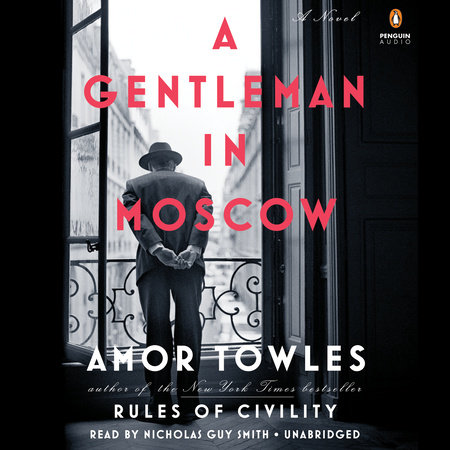
Hotel Metropol is one such hotel in Moscow which, in Amor Towles charming novel, comes to a life of its own. A Gentleman in Moscow is, as the name suggests, the lives and times of a gentleman living amidst the turbulent times of Russian Revolution when the Bolsheviks rose to power in the newly formed Soviet Union. It’s written in a style that reminds me of Proust in many ways, including in the way the smallest details of a life well-lived comes to the fore through the extraordinary life of Count Alexander Ilyich Rostov.
In Rohinton Mistry’s novel – A Fine Balance, personal lives intersect with the life of a country in terms of political change and broader socio-economic shifts. Towle’s novel does something similar in this delicate depiction of the life of this gentleman in question with Russian political history. Count Rostov is sentenced for house imprisonment due to a poem he allegedly wrote that went counter to the ideals of the Bolsheviks. An imprisonment in the hotel Metropol he called home isn’t hard justice and the Count makes the most of what he can get in the new life he has been handed over. With surprising optimism and resilience, we are led through the Count’s life as it unfolds in the subsequent decades of imprisonment. And it’s a fun and gripping read with elements of compassionate charm, wittiness, comedy, thrill, and suspense soaked into the pages with a unique, simple, and absorbing style of writing.
“if a man does not master his circumstances then he is bound to be mastered by them.”
The Count does go about mastering his circumstances, so much so that you don’t want him to leave the hotel he is being imprisoned to. Equal parts comedy and emotional roller-coaster, the stories inside this novel is alive and kicking at every juncture. It’s almost as if the Count is present as life happens all around him and in his own patient and unhurried way, he goes on to enrich his life with serendipitous encounters and quick changes in his life direction. Had the Count not been a thorough gentleman and reflective, his know-it-all personality (in food, wine, waiting tables, literature, music, and philosophy) would have been jarring. Not so with this royal born though. This larger than life personality manages to bring you along in his journey through the cavernous halls of the Hotel Metropol and through the cramped apartment he turned into his hidden work station.
“It is of interest of times to change, Mr. Helecki. And it is the business of gentlemen to change with them.”
The book sparkles with numerous life adages as the Count lives through the changing circumstances around him. In some ways, the book is an assault on the idea that as a human being you necessarily need to have a political life where you care for what’s happening in your country and not be just a passive spectator in it; it brings forth an idea about the interior aspects of our lives, in the happiness we should strive for in the smallest of details that we find ourselves surrounded with. The alacrity and the interest that the Count brings to everything he does or talk to is uplifting and inspiring. His never-failing optimism, and the sense of agency he brings to the things he thinks is right is a strong message told through the vignettes of his life.
“…what matters in life is not whether we receive a round of applause; what matters is whether we have the courage to venture forth despite the uncertainty of acclaim.”
The “uncertainty of acclaim”, as Towles succinctly captures is, is something we struggle with often. As most of us toil away our lives in relative anonymity, we find ourselves often questioning the nature of this struggle and doubt the very idea of existence altogether. Stories such as what Mr. Towles penned down, makes you step back and re-evaluate the frames with which you view your life’s work. Adhering to strongly held principles, taking agency where needed, venturing forth boldly with courage and conviction are some learning I took away from this book.
“Fate would not have the reputation it has, if it simply did what it seemed it would do.”
 Jargogled Impressions.
Leave a comment